


The Safety Net
OCD Treatment In Singapore

Senior Consultant Psychiatrist, Dr. Tan Sheng Neng
MMED (Psych), MBBS, MCI, FAMSObsessive-compulsive disorder (OCD) features a pattern of unwanted thoughts and fears (obsessions) that lead you to do repetitive behaviours (compulsions). These obsessions and compulsions interfere with daily activities and cause significant distress. Does any of the following seem familiar to you?
- Fear of getting contaminated by people or the environment
- Extreme concern with order, symmetry, or precision
- Recurrent intrusive thoughts of sounds, images, words, or numbers
- Excessive or ritualized hand washing, showering, brushing teeth, or toileting

What is Obsessive-Compulsive Disorder?
Obsessive-Compulsive Disorder (OCD) is a common, chronic, and long-lasting disorder in which a patient has uncontrollable, reoccurring thoughts (obsessions) and behaviours (compulsions) that he or she feels the urge to repeat over and over.
Do you find yourself constantly checking and fixing things to be in a certain order or arrangement, or engaging in repeated cleaning and/or handwashing? You may have obsessive-compulsive disorder.
Obsessive-compulsive disorder is a serious condition that can interfere with all aspects of your life, such as work, school, and personal relationships.
Get Started
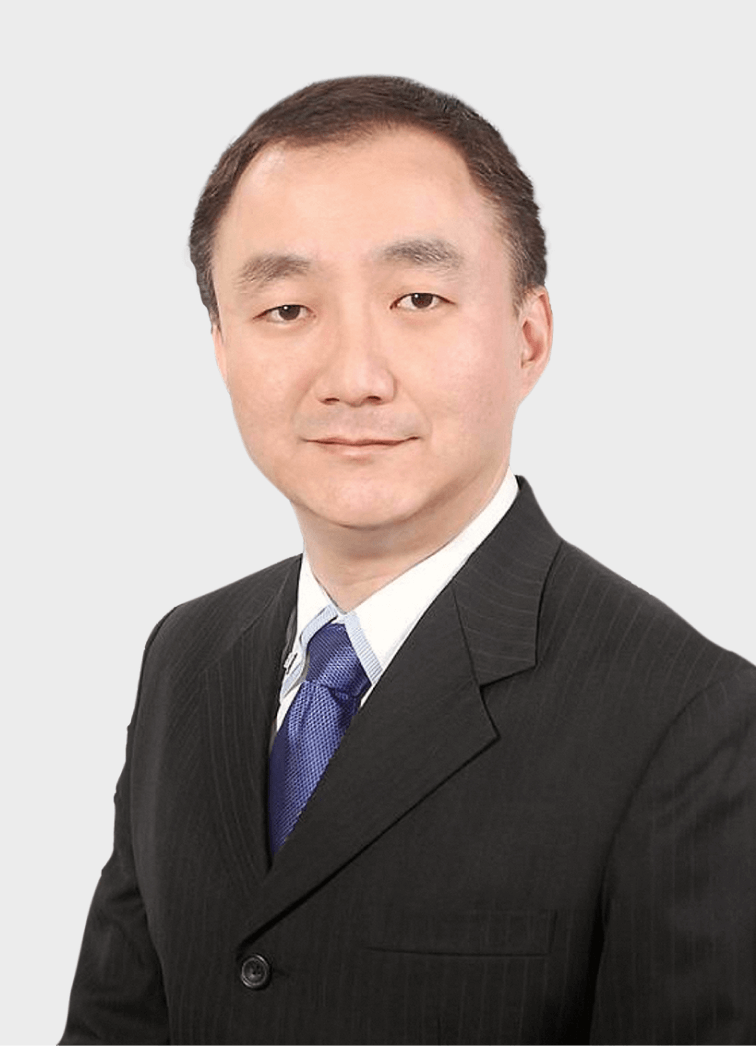

Senior Consultant Psychiatrist
Dr. Tan Sheng Neng 
Dr Tan was the Director of Consultation-Liaison Psychiatry Service (2017-2019) at Changi General Hospital (CGH), Singapore. He was also an Assistant Director (Psych) of the Integrated Sleep Service at CGH (SingHealth Duke-NUS Sleep Centre), where he helped develop into a department in 2018.
- Master of Medicine (Psychiatry)
- Master of Clinical Investigation (MCI)
- Bachelor of Medicine and Bachelor of Surgery (MBBS)
- Fellow of the Academy of Medicine, Singapore (FAMS)
At present, besides the clinical work in his clinic and hospitals, Dr Tan also holds the following appointments:
- Clinical Advisor to Samaritans of Singapore (SOS)
- Lecturer to Executive Counselling and Training Academy (ECTA)
Dr Tan has a specialised interest in neuropsychiatry. He treats patients with Sleep Disorders, Mild Cognitive Impairment and Brain trauma or injury, particularly from strokes.
Read Full Bio

Symptoms of OCD
You may have symptoms of obsessions, compulsions, or both. These symptoms can interfere with all aspects of your life, such as work, school, and personal relationships.
- Fear of contamination or dirt
- Doubting and having difficulty tolerating uncertainty
- Needing things orderly and symmetrical
- Aggressive or horrific thoughts about losing control and harming yourself or others
- Excessive cleaning and/or handwashing
- Ordering and arranging things in a particular, precise way
- Repeatedly checking on things, such as repeatedly checking to see if the door is locked or that the oven is off
- Compulsive counting
- Trouble sleeping or sleeping too much
If you’re observing any of the above persistent symptoms, please reach out to a psychiatrist clinic in Singapore for professional assessment and diagnosis.
Risk Factors
Many factors may increase the risk of developing an obsessive-compulsive disorder.
Genetics and Environment
Having close family members with OCD is a risk factor. The closer these individuals are to you, the greater your risk, particularly if their OCD began in childhood or teenage years. Your family can also shape your behaviour in ways other than through genes. For example, you might learn unhealthy coping mechanisms during stressful situations by observing your parents or close loved ones.
Personality
Certain personality traits may contribute to developing OCD. For example, people who score high on measures of neuroticism may be at a greater risk of developing the disorder.
Age
OCD is most common in older teens or young adults, although it can begin as early as preschool and as late as the age of 40.
Presence of Other Mental Conditions
OCD can often occur in people with other mental health illnesses, such as anxiety disorders, depression, Tourette syndrome, ADHD, or eating disorders.
The Short & Long Term Effects Of OCD
OCD can affect people in different ways. Some people may spend much of their day carrying out various compulsions and cannot go about their daily lives. Others may appear to be coping with day-to-day life while still suffering considerable distress from obsessive thoughts. The severity of OCD differs significantly from person to person. OCD may have a major negative impact on social relationships, leading to frequent family and marital discord, dissatisfaction, separation or divorce. In some cases, OCD can be so severe that it can impact some or all areas of a person’s life, such as your:
- Education and school life
- Employment and career development
- Relationships with your partners, parents, siblings and friends
- Ability to start a family
Do you find yourself constantly checking and fixing things to be in a certain order or arrangement, or engaging in repeated cleaning and/or handwashing? You may have obsessive-compulsive disorder.
Obsessive-compulsive disorder is a serious condition that can interfere with all aspects of your life, such as work, school, and personal relationships.
Get Started
OCD Treatment Options In Singapore

Medication
Different types of medication can be prescribed to someone suffering from OCD. Your doctor
can help you determine which medicine is best for you, but taking all medications as prescribed
is essential. If side effects are experienced, it is important to consult your doctor.

Cognitive Behavioural Therapy
Cognitive Behavioural Therapy, commonly referred to as CBT, remains the treatment of choice
for Obsessive-Compulsive Disorder (OCD), and it’s important for those struggling with OCD to
try and understand the principles behind CBT.
Unlike other talking therapies like counselling, CBT is much more structured and tailored around
the individuals ‘ here-and-now problems and rarely focuses on the patient’s past. CBT is a
short-term therapy lasting weeks and months rather than years.
Research into the treatment of OCD is ongoing and will constantly change how the medical community views treatment approaches to OCD.
How is OCD diagnosed?
There is no laboratory test for OCD. Your specialist makes the diagnosis after obtaining a detailed history of your symptoms.

Speak To Us Today
Get Specialised Medical Care For Your Mental Health
We will make it easier for you to improve your mental well-being.
Get Started
Your treatment Roadmap with Dr Tan

1
Registration
Our friendly clinic staff will assist you with your registration, ensuring an efficient and hassle-free process for you. Book your appointment today.


2
Detailed Consultation
Dr Tan will speak to you, assess your condition, and develop a personalised treatment plan, which may include therapy and/ or medication.

3
Follow-up Visits
Dr Tan will schedule follow up visits to check in with you and make adjustments to your personalised treatment plan if necessary.

Frequently Asked Questions
Is OCD common?
Globally, the prevalence of obsessive-compulsive disorder (OCD) is approximately 2% of the general population.
What’s the difference between OCD and OCPD?
While people with OCD have obsessive, intrusive, repetitive thoughts, known as obsessions, and may feel compelled to repeat behaviours, which are known as compulsions, with OCPD, a person may be excessively focused on order and perfection.
Is OCD genetic?
Genetic factors might play a role in causing OCD. Studies involving families show that if you have a parent or sibling with OCD, you could have a higher chance of developing OCD yourself.
When should I See A Doctor?
If you find that your obsessions and compulsions are interfering with your ability to lead a normal life, and/or if you are experiencing any of the symptoms mentioned above, see a psychiatrist.
Take the first step towards Better Mental Health
Start your mental health journey with us today. Get the proper personalised treatment plan you deserve.



Visit Us Today
Feel free to drop by our our clinic and meet our specialist


