


The Safety Net
Anxiety Treatment in Singapore

Senior Consultant Psychiatrist, Dr. Tan Sheng Neng
MMED (Psych), MBBS, MCI, FAMSAn anxiety disorder is a type of mental health condition. It goes beyond the regular nervousness and slight fear you may feel from time to time. You may have an anxiety disorder if your anxiety:
- Becomes overwhelming and persistent.
- It interferes with your daily activities
- Causes you to overreact when something triggers your emotions
- Causes you to lose control with responses to situations
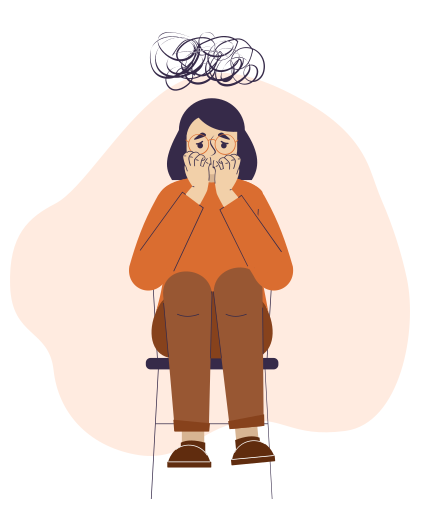
What is an anxiety disorder?
An anxiety disorder is a type of mental health condition. If you have an anxiety disorder, you may respond to certain things and situations with fear and dread. You may also experience physical signs of anxiety, such as a pounding heart and sweating.
It is important to note that feeling anxious is normal. You may feel anxious or nervous if you have to confront a problem at work, go to a challenging job interview, take a difficult test or make an important decision. Anxiety can also sometimes help us notice dangerous situations and focuses our attention, so we stay safe.
However, if your anxiety becomes overwhelming and persistent, or if it interferes with your regular daily activities, or even makes them impossible, you may have an anxiety disorder.
It is important to note that feeling anxious at times is a normal part of life.
However, if your anxiety becomes overwhelming and persistent, or if it interferes with your regular daily activities, or even makes them impossible, you may have an anxiety disorder.
An anxiety disorder is a serious mental health condition that can get worse without proper treatment.
Get Started
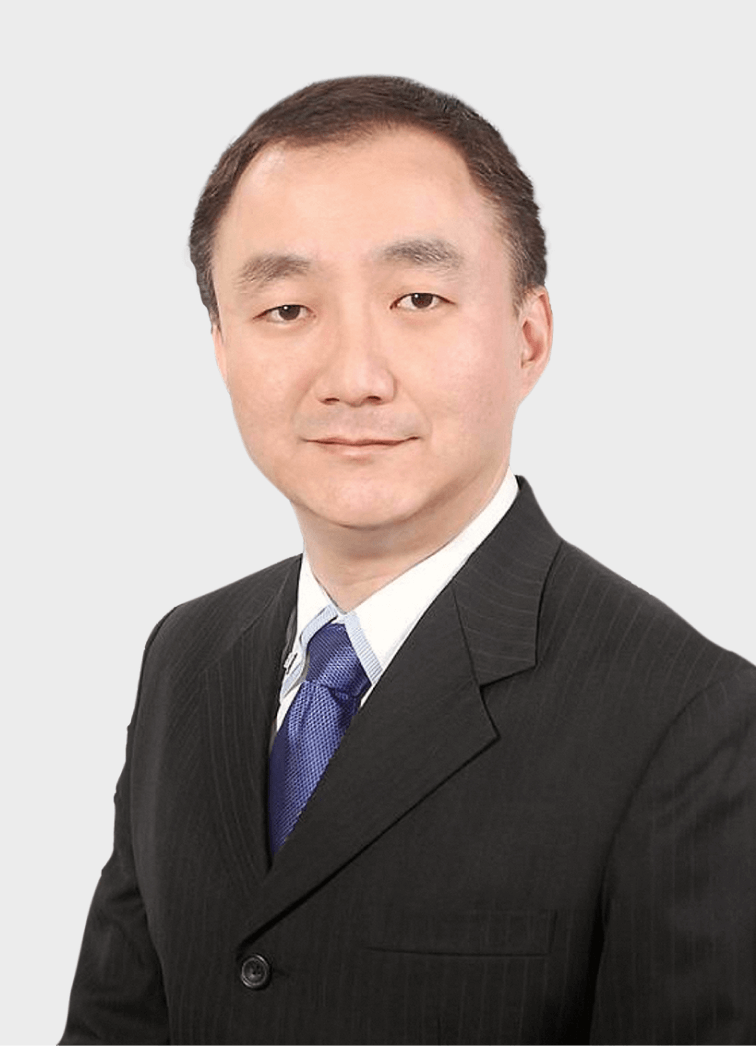

Senior Consultant Psychiatrist
Dr. Tan Sheng Neng 
Dr Tan was the Director of Consultation-Liaison Psychiatry Service (2017-2019) at Changi General Hospital (CGH), Singapore. He was also an Assistant Director (Psych) of the Integrated Sleep Service at CGH (SingHealth Duke-NUS Sleep Centre), where he helped develop into a department in 2018.
- Master of Medicine (Psychiatry)
- Master of Clinical Investigation (MCI)
- Bachelor of Medicine and Bachelor of Surgery (MBBS)
- Fellow of the Academy of Medicine, Singapore (FAMS)
At present, besides the clinical work in his clinic and hospitals, Dr Tan also holds the following appointments:
- Clinical Advisor to Samaritans of Singapore (SOS)
- Lecturer to Executive Counselling and Training Academy (ECTA)
Dr Tan has a specialised interest in neuropsychiatry. He treats patients with Sleep Disorders, Mild Cognitive Impairment and Brain trauma or injury, particularly from strokes.
Read Full Bio

General Symptoms of an Anxiety Disorder
It is important to note that feeling anxious is normal. However, if you experience any of the symptoms below over a prolonged period of time, it is highly advisable that you seek professional help. Each person’s symptoms also vary depending on the type of anxiety disorder you have. Here are the general symptoms of an anxiety disorder:
- Cold or sweaty hands
- Dry mouth, Nausea, Heart palpitations
- Numbness or tingling in hands or feet
- Muscle tension and shortness of breath
- Feeling panic, fear and uneasiness
- Nightmares
- Repeated thoughts or flashbacks of traumatic experiences
- Uncontrollable obsessive thoughts
- Inability to be still and calm
- Ritualistic behaviours, such as washing hands repeatedly
- Trouble sleeping
What causes anxiety disorders?
Anxiety disorders are like other forms of mental health conditions. They don’t come from a person’s weakness, character flaws or problems with one’s upbringing. Studies indicate that a combination of factors plays a role in the development of anxiety disorders. Here are some of the factors that may play a role:
Chemical imbalance
Severe or long-lasting stress can change the chemical balance that controls your mood. Experiencing a lot of stress over a long period can lead to an anxiety disorder.
Environmental factors
Experiencing a traumatic event might trigger an anxiety disorder, especially if that person has already inherited a higher risk for anxiety disorders.
Genetics
Anxiety disorders tend to be something that runs in families. You may inherit them from one or both parents.
It is important to note that feeling anxious at times is a normal part of life.
However, if your anxiety becomes overwhelming and persistent, or if it interferes with your regular daily activities, or even makes them impossible, you may have an anxiety disorder.
Anxiety Disorders that we Treat
Anxiety disorders are treatable and a number of effective treatments are available. Getting the right treatment can help you return to living a normal productive life.
Other Specific Phobias
Social Anxiety Disorder
Obsessive-Compulsive Disorder
Panic Disorders
Agoraphobias
Anxiety Treatment Options In Singapore
Medication or Therapy
Treatment options for anxiety disorders may include medication or therapy.
Based on your psychiatrist’s diagnosis of your condition, needs and preferences, a combination of medication and therapy may be recommended for your treatment plan. It is highly advisable that you discuss your options with a professional who is familiar with your diagnosis and overall health.

Speak To Us Today
Get Specialised Medical Care For Your Mental Health
We will make it easier for you to improve your mental well-being.
Get Started
Your treatment Roadmap with Dr Tan
1
Registration
Our friendly clinic staff will assist you with your registration, ensuring an efficient and hassle-free process for you. Book your appointment today.

2
Detailed Consultation
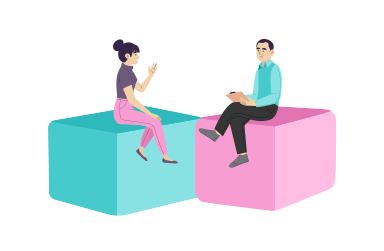
Dr Tan will speak to you, assess your condition, and develop a personalised treatment plan, which may include therapy and/ or medication.

3
Follow-up Visits
Dr Tan will schedule follow up visits to check in with you and make adjustments to your personalised treatment plan if necessary.

Frequently Asked Questions
Can anxiety disorders be prevented?
You can’t prevent anxiety disorders, however, there are ways to control or reduce your symptoms:
Be mindful about medications: Talk to your physician or psychiatrist before taking over-the-counter medications or herbal remedies. Some of these contain chemicals that may make symptoms worse.
Limit caffeine: Stop or limit how much caffeine you consume.
Physical Health: Exercise regularly and eat a healthy, balanced diet.
What if I experience side effects from my prescribed medication?
If you experience any side effects, contact the physician or psychiatrist that prescribed you the medicine even if you are not sure a side effect is caused by certain medication.
It is also imperative to follow your prescribed treatment plan, sudden discontinuation of taking medication may introduce health risks.
Can Anxiety Disorders be cured?
Medication can’t cure an anxiety disorder. However, with the proper personalised treatment plan, the right combination and dosage of medication can help to improve your symptoms. The purpose of following through with your psychiatrist’s prescribed treatment is to help you to return to a normal productive life.
Take the first step towards Better Mental Health
Start your mental health journey with us today. Get the proper personalised treatment plan you deserve.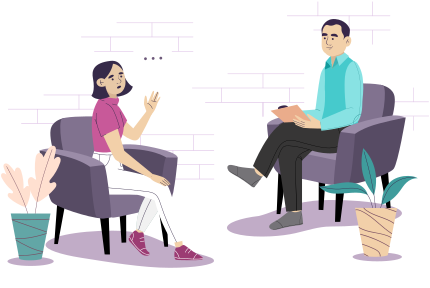



Visit Us Today
Feel free to drop by our our clinic and meet our specialist


